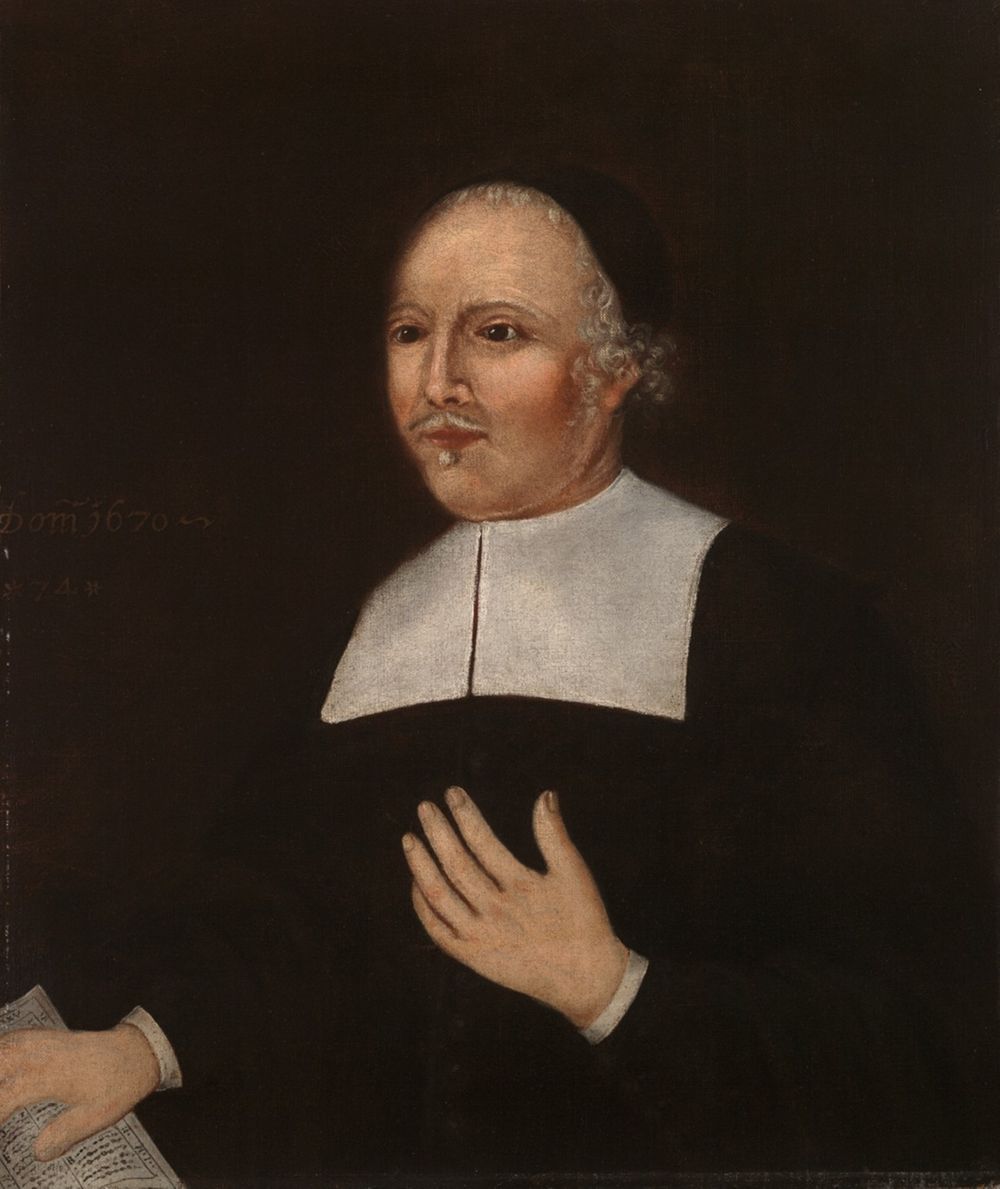
John Davenport founds New Haven Colony intending to “drive things in the first assay as near to the precept and pattern of Scripture as they can be driven.” Land is set aside for a college “to fit youth… for the service of God in Church and Commonwealth.”
1701
Ten New Haven area ministers contribute books to begin the library of a new college. Abraham Pierson accepts a position as the first rector saying “he durst not refuse such a service to God and his generation.” Yale men meet for prayer every day at sunrise and in the afternoon.
1720
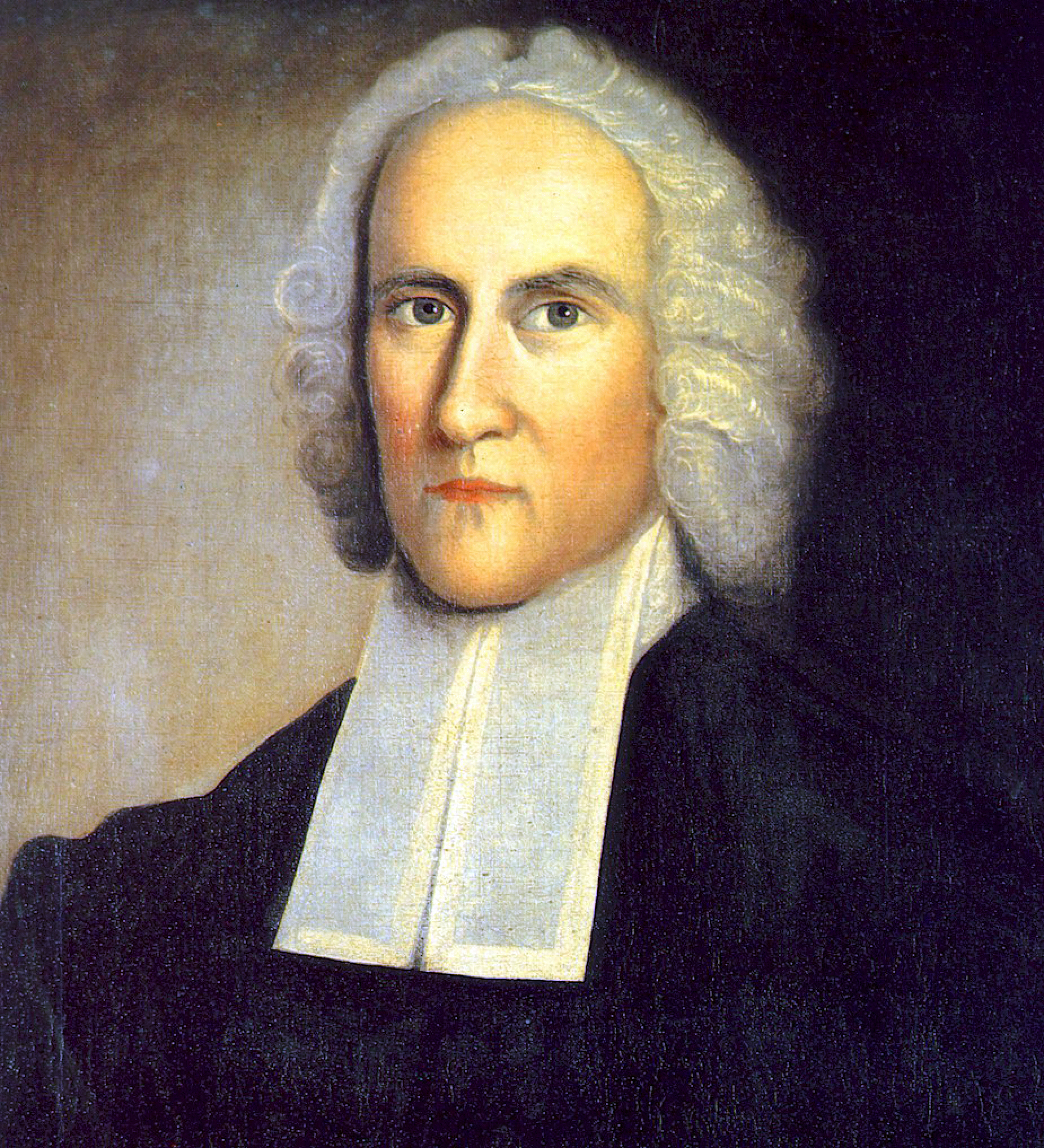
Jonathan Edwards graduates from Yale and is “filled with an inward, secret delight in God,” and resolves “to live with all my might while I do live.” He plays a major role in the First Great Awakening (a spiritual revival that transformed the country in 1740) and is later described as “the most significant Protestant voice between the Reformation and the twentieth century.”
1740-1742
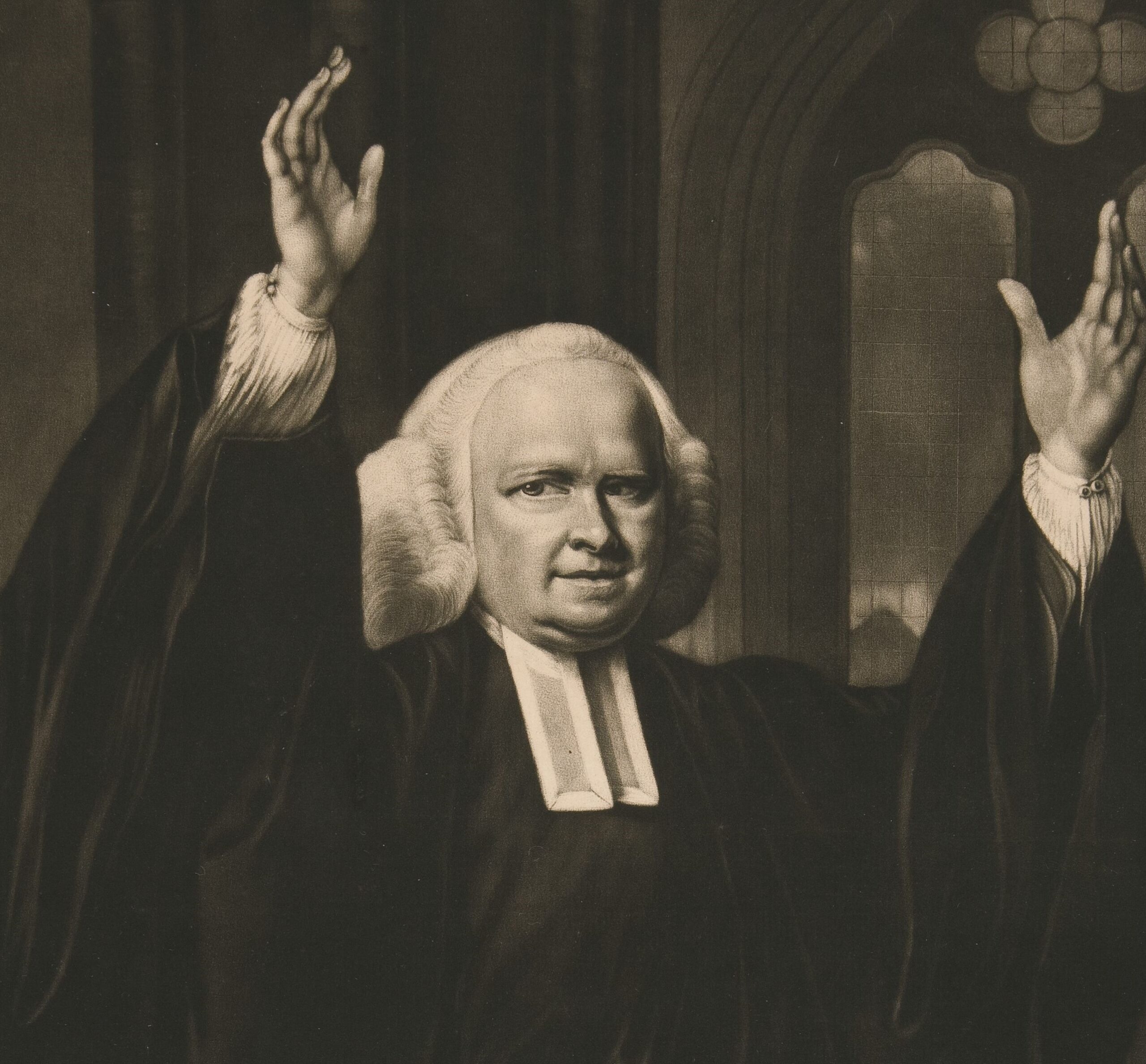
George Whitefield visits Yale and preaches on the New Haven Green to “enormous crowds.” The first Yale revival comes the following spring. David Brainerd becomes a spiritual leader in the Yale revival, and later, a missionary to the Lenni-Lenape Indians, many of whom come to know Christ.
1778
Ezra Stiles, president of Yale, goes out of his way to talk with Jews, frequently visits one of the three Jewish synagogues in America, and discusses with rabbis the suffering Messiah of Psalm 22 and Isaiah 53.
1795
Timothy Dwight becomes president of Yale and begins preaching Christ to a campus enamored of the “French Infidelity.” (God was an “idea that had gone out of fashion.”) Dwight openly and ably defends the Gospel and “all infidelity skulks and hides its head.” After seven years, Dwight sees a “quiet but thorough” revival begin among the students, converting half of them.
1802
Benjamin Silliman, instructor at Yale is converted. In retrospect, one biographer hails him as “the father of American scientific education,” crediting his distinctive life work in large part to “the depth and sincerity of his religious convictions.”
1820-1827
Seven different revivals take place. The revival of 1827 is marked by “the conversion of a knot of very wicked young men whose piety at a subsequent period became equally eminent.” The movement spreads to New Haven: for every Yale man converted, nine New Haveners are converted.
1835-1858
A series of awakenings sweep Yale, the last during the national revival of 1858.
1886
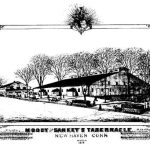
Evangelist Dwight Moody calls an intercollegiate Bible study conference at Mount Hermon to which 89 colleges send a total of 251 delegates. Dartmouth, Yale, Amherst, and Cornell each send large delegations. At conference close, 100 students declare themselves “willing and desirous, God permitting, to give themselves to the work of giving all men an opportunity to know Christ.” At least 16,600 students leave for overseas service over the next five decades as a direct result of the conference. Around this time, Horace Tracy Pitkin comes to Yale where he “plants the missionary interest so deeply into the religious life and organization of Yale that it never died out.” He himself is later martyred in China.
1905
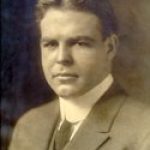
William Borden comes to Yale already decided to become a missionary. He excels as a student and personal evangelist and founds the Yale Hope Mission for New Haven’s alcoholics. He starts Bible studies and picks the least likely men on campus to talk with and invite to these meetings. By 1909, 1,000 of Yale’s 1,300 undergraduates are involved in Bible studies.
1909-1968
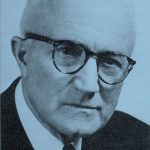
A friend of Borden, Kenneth Scott Latourette, coordinates the thousand-man Bible studies for a time. After a period as a missionary in China, he returns to Yale to teach. As historian and Sterling Professor of Missions and Oriental History, he gains fame, writing 83 books and receiving 17 honorary degrees. For years he holds Bible classes for freshmen; three informal groups of students meet weekly in his study. To the end of his life in 1968, Dr. Latourette considers himself a friend and missionary to the students at Yale.
1987 - Present
In our present time, believers have become more numerous, more visible, and much more active at Yale. Hostility to the Gospel has, if anything, also increased over that period. Since 1987 students from different Christian groups have met together to pray for revival at Yale. In the last year these gatherings have become more frequent and prayer more earnest.